
Wu Language
Wu Chinese is a major Sinitic language branch spoken by over 85 million people primarily in Shanghai, Zhejiang province, and southern Jiangsu. As the second largest language group in China, it acts as a cultural and linguistic bridge between northern and southern China, often noted for preserving ancient Chinese phonology, such as voiced initials, that Mandarin has lost.

Yue Language
Yue Chinese, commonly known as Cantonese, is a major branch of Sinitic languages primarily spoken in Guangdong, Guangxi, Hong Kong, and Macau, with roughly 55 million users in China and millions more worldwide. Renowned for preserving features of Tang Dynasty Chinese, it is characterized by six or more distinct tones, complex syllable structures, and a distinct vocabulary separating it from Mandarin.

Mandarin Language
Mandarin is the largest branch of the Sinitic languages, serving as the official standard language of China, Taiwan, and Singapore, with over one billion total speakers, making it the world's most spoken language by native speakers. Originating in North China, it is a tonal language using thousands of characters.
lingua franca Language
A lingua franca is a common language used for communication between people who share different native languages, acting as a "bridge" for trade, diplomacy, or scholarly exchange. Originating from a hybrid Mediterranean trade language (Sabir) in the Middle Ages, modern lingua francas frequently result from historical, economic, or colonial influences. Today, English is the dominant global lingua franca, while others like French, Arabic, and Spanish serve in regional contexts.
Putonghua Language
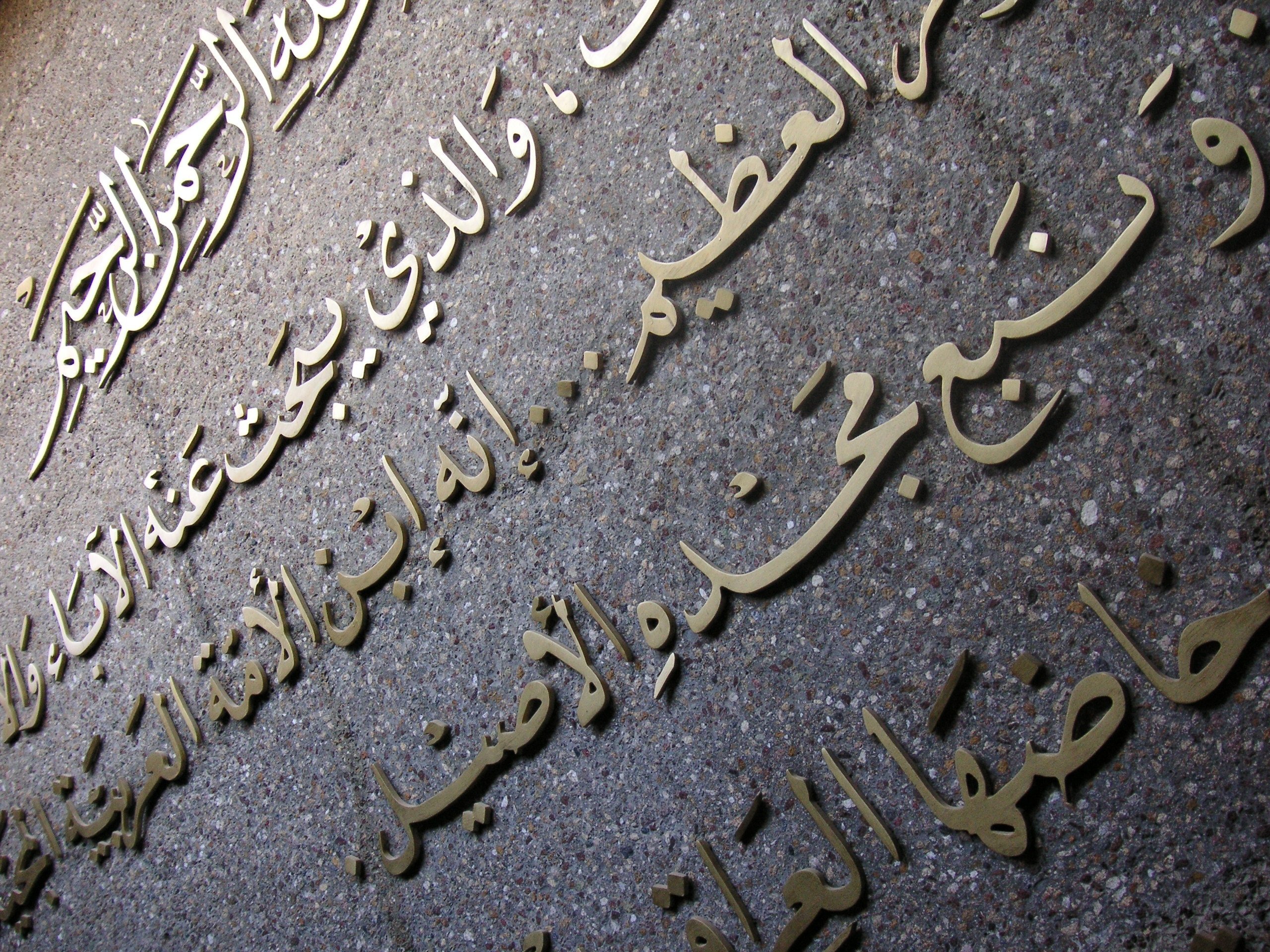
Putonghua, which literally translates to "common speech," is the official national language of the People's Republic of China (mainland China) and serves as the standardized lingua franca used in education, media, and government. Formally adopted in 1956, it is based on the northern Beijing dialect, specifically leveraging Beijing’s pronunciation, northern dialects as its foundation, and modern vernacular Chinese literature for its grammar.
Tibetan Language
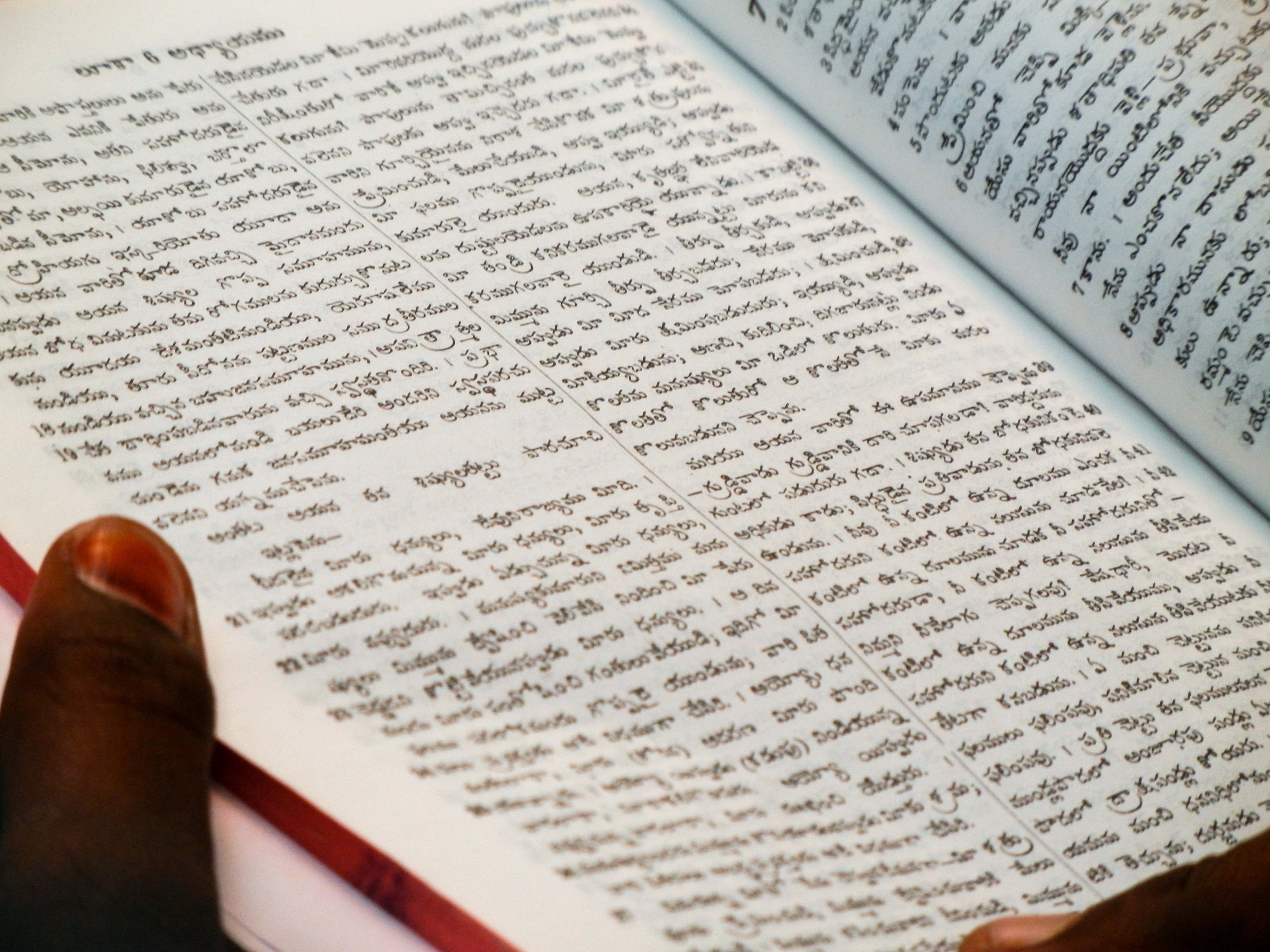
Major Features of the Tibetan Language - Sambhota WorksThe Tibetan language is a member of the Tibeto-Burman language family spoken by approximately 6 million people across the Tibetan plateau, Bhutan, Nepal, India, and Pakistan. It uses a unique script developed in the 7th century, based on Indian scripts, and is known for its rich literature in Buddhist philosophy, medicine, and history. While Classical Tibetan remains the literary standard, spoken language varies greatly among dialects like Central (Lhasa), Khams, and Amdo.